

Every or every second year doesn't make a difference
Researchers compared the Norwegian organised population based mammogram screening every second year and a physician- or self-referrals annual test in the US. Both are equally sensitive, but the recall rate for abnormal results was lower in Norway.

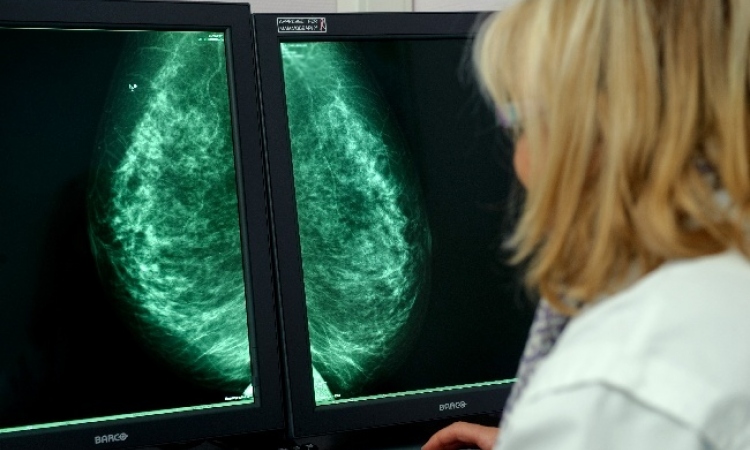
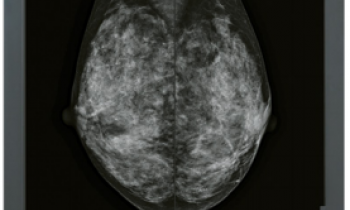
Mammography: norwegian organised population-based screening is as sensitive as annual checks.
Scandinavian countries are famous for their health care and its organization. And as a recent study in the US-Journal of the National Cancer Institute shows, the reputation is justified.
Breast cancer screening programs in Norway and in some other European countries regularly send letters to all women in a specific age range inviting them to have a screening mammogram. The Norway program aims for women to be screened every two years. The differences between the two approaches make it relatively difficult to compare their effectiveness, and few studies have aimed to do so previously. In the United States, however, it is usually initiated in response to a physician's recommendation (known as "opportunistic screening"), and women are advised to have annual screening mammograms.
In the current study, Berta Geller of the University of Vermont in Burlington, Solveig Hofvind of the Cancer Registry of Norway, and colleagues compared the screening approaches by looking at the percentage of women who were recalled for a re-evaluation, the screening detection rate of breast cancer, and the rate of interval cancers in 45,050 women in Vermont and 194,430 women in Norway from 1997 to 2003. Women included in the study were aged 50 to 69 years at the time of screening.
The age-adjusted screening detection rate of cancers was similar between the two populations (2.77 per 1,000 woman-years in Vermont versus 2.57 in Norway), however, more than three times as many women were recalled in Vermont than in Norway (9.8 percent versus 2.7 percent, respectively). The rate of interval cancers was higher in Vermont than in Norway (1.24 per 1,000 woman-years versus 0.86), and 55.9 percent of the interval cancers were 15 mm or smaller in Vermont compared with 38.2 percent of the interval cancers in Norway. When all cancers detected during regular screening and between screening mammograms were combined, there were no substantial differences in the prognostic features of invasive cancers detected in the two populations.
The researchers conclude that although most of the women in Vermont were screened twice as often as the women in Norway, the overall rate of cancer detection was similar. Given the shorter interval between screens, Geller and colleagues were surprised to find a higher interval cancer rate in the Vermont women and hypothesize that "Vermont women and/or their health care providers may more readily pursue evaluation of symptoms and clinical findings than their Norwegian counterparts."
"Our results demonstrate that despite its longer screening interval, the organized population-based screening program in Norway achieved similar outcomes as the opportunistic screening in Vermont," the autors write.
The researchers conclude that although most of the women in Vermont were screened twice as often as the women in Norway, the overall rate of cancer detection was similar. Given the shorter interval between screens, Geller and colleagues were surprised to find a higher interval cancer rate in the Vermont women and hypothesize that "Vermont women and/or their health care providers may more readily pursue evaluation of symptoms and clinical findings than their Norwegian counterparts."
"Our results demonstrate that despite its longer screening interval, the organized population-based screening program in Norway achieved similar outcomes as the opportunistic screening in Vermont," the autors write.
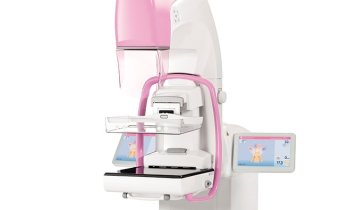
Picture: Hologic
05.08.2008
More on the subject: