

Heart replica ready for human tests
Annick Chapoy reports from Paris
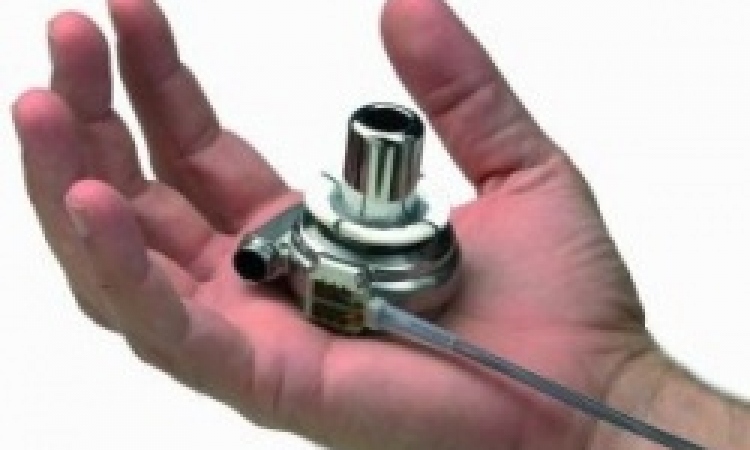
A little over three decades after the world's first human heart transplant (HT), Carmat’s life-size artificial heart, a mix of animal tissue, titanium and missile technology that perfectly replicate a human heart, might save the lives of thousands.
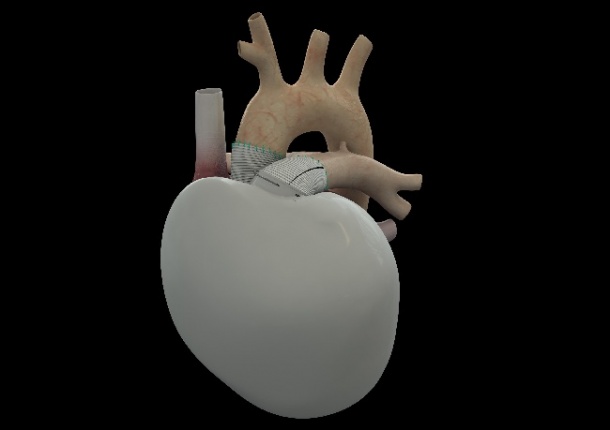
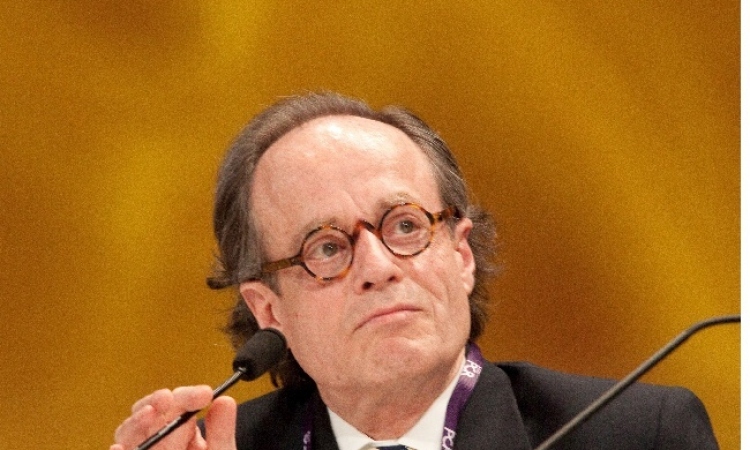
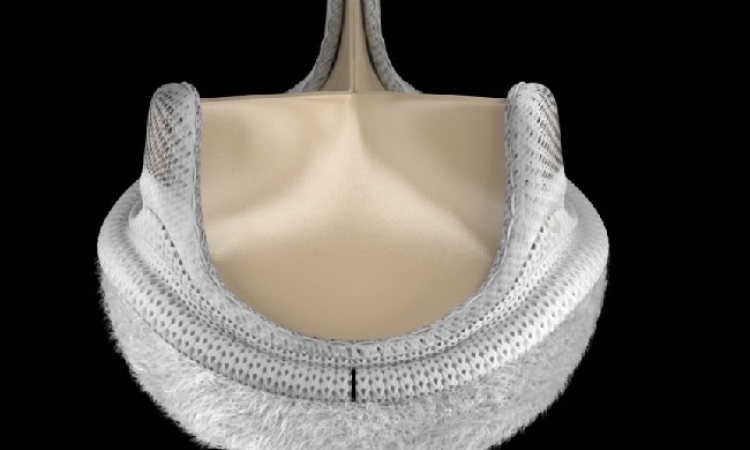
The new heart is covered in specially treated tissue to avoid rejection by the body's immune system and particularly the formation of blood clots. Thanks to the latest electronic sensor technology used in guided missiles, the heart also can respond instantly to changes in blood pressure and flow, and adapt the heart beat rate accordingly. ‘If you showed the electrocardiogram to a cardiologist he would say, That's a human heart, Well no, it isn't. It's a prosthesis,’ says its creator, Professor Alain Carpentier, the renowned French surgeon-scientist, from the Pompidou European Hospital in Paris.
The professor has worked on the prototype in the utmost secrecy for more than 15 years, initially in
conjunction with laboratories at Matra, a French engineering firm which merged into EADS (European Defence and Aerospace company) in 2000. EADS is the parent company of the passenger jet maker Airbus.
The commercialisation of the entirely artificial heart is the realisation of a life-long dream for Alain Carpentier, and the headstone of a career that made him the most famous cardiologist in France.
The design of the Carmat artificial heart, protected by 10 global patents, offers numerous advantages over existing alternatives from rival laboratories in the USA or Asia.
A world authority in artificial heart valves, Prof. Carpentier used his expertise to overcome the problem of blood clots -- the main stumbling block in other attempts to build an artificial heart. He managed this by using specially sterilised ‘bioprosthetic’ pig cartilage and by replicating the exact same blood flow -- or haemodynamics -- of the human heart that reduce blood clot risks.
‘The aim of this heart is to allow patients to go from an impossible life -- where they can do just a few steps from bed to armchair -- to a normal social life. They will even be able to run - although naturally not a marathon,’ he predicts. A renewed hope and quality of life for hundreds of thousands of patients suffering in the aftermath of a massive heart attack, or with late-stage heart failure, and those for whom standard drug therapy, ventricular assistance or heart transplant have failed or are not possible.
The Carmat heart is designed for much greater durability than earlier devices, with a projected lifetime of about five years, or 230 million heart beats. Weighing around one kilogram, the only external part of the man-made organ is its battery, which has a five-hour charge life.
Prof. Carpentier said the new heart is necessary, given the chronic shortage of heart donors and growing heart patient waiting lists. ‘I couldn't stand seeing young, active people dying aged 40 from massive heart attacks,’ he said. Heart disease is among the world's biggest killers, claiming 17 million lives per year (some 100 000 deaths per year in Europe and North America alone).
The prototype has cost about €55 million and already the groundbreaking organ has been successfully implanted in calves.
The first clinical trial will involve implanting the hearts into patients and monitoring them for 180 days to
measure short-term safety and efficiency; the second trial should include 22 patients including six from the first trial, to test for longer term use. The cost of the operation is expected to be roughly equivalent to that of a HT, but follow-up care, which adds up to €50, 000 per year for patients with transplanted
human hearts, will be significantly reduced as the artificial hearts are expected to require fewer doctor visits, re-hospitalisations, and drugs.
The artificial heart developed by Carmat, has been financed by Truffle Capital, a venture capital firm, which holds almost 32% of the equity. EADS holds almost 30%. Carmat has also received €33 million in subsidies from a French government innovation fund.
26.04.2011